
DCC Attends Queensland International Women’s Day Parliamentary Breakfast
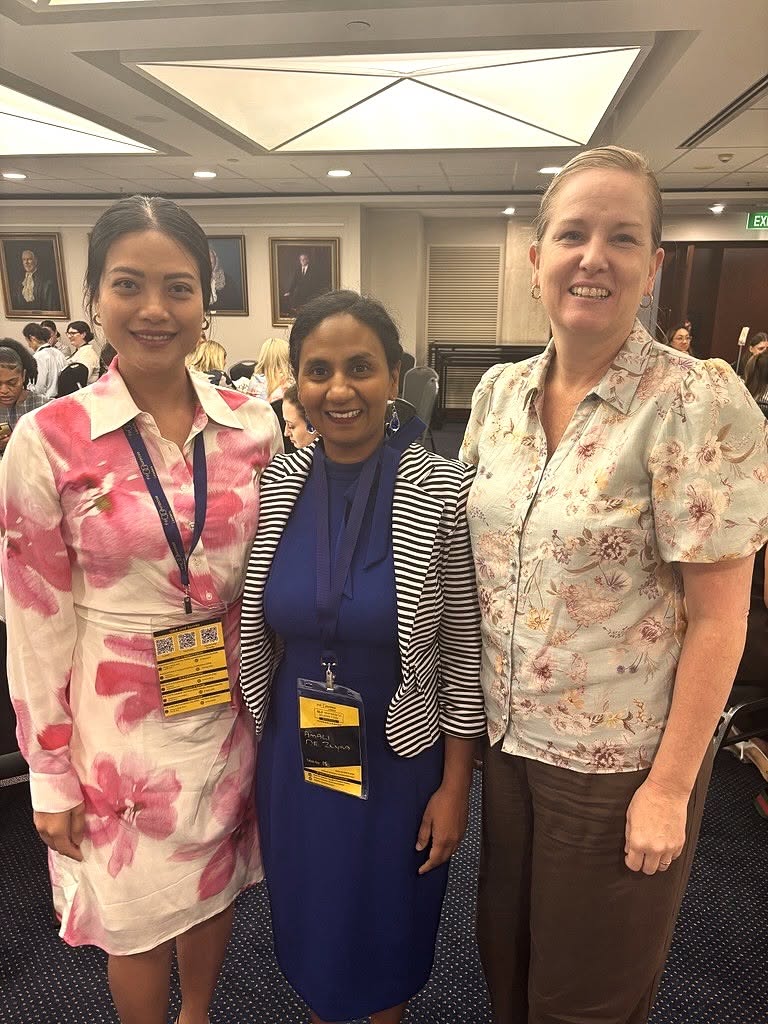
Members of the DCC Executive Team recently attended the Queensland International Women’s Day Parliamentary Breakfast, joining people from across government, the community sector and the wider community to recognise International Women’s Day. The breakfast provided an opportunity to come together, connect and acknowledge the contribution women make across Queensland — within workplaces, communities, families and […]
Psychosocial Disability in Australia: Understanding, Supporting, and Empowering Mental Health Recovery

Psychosocial disability refers to the functional impact of a mental health condition on a person’s ability to participate in daily life. It is not the diagnosis itself, but the way a mental health condition affects a person’s ability to work, study, build relationships, manage daily responsibilities, and live independently. In Australia, psychosocial disability is increasingly […]
Understanding Physical Disability: Support, Inclusion, and Everyday Living

Physical disability refers to a condition that affects a person’s mobility, physical capacity, or dexterity. It may be present from birth, result from injury or illness, or develop over time. In Australia, people with physical disabilities are supported through inclusive policies, health services, and the National Disability Insurance Scheme (NDIS). What Is a Physical […]
Intellectual Disability Support & NDIS Services | DCC Industry Group

Intellectual disability (ID) is a lifelong condition that affects a person’s ability to learn, reason, and adapt to everyday life. In Australia, around 450,000 people live with an intellectual disability, and many face significant health and social inequities. Through inclusive policies, early intervention, and access to disability community services, we can help individuals with ID […]
Sensory Processing Differences: Supporting Children to Thrive

Sensory Processing Differences (SPD) refer to how the brain interprets and responds to sensory information such as sound, touch, movement, taste, and visual stimuli. For some children, these differences can make everyday experiences overwhelming or confusing. Understanding and supporting sensory needs is essential to helping children feel safe, regulated, and included. At DCC Industry […]
ADHD in Australia: Understanding, Supporting, and Celebrating Neurodiversity
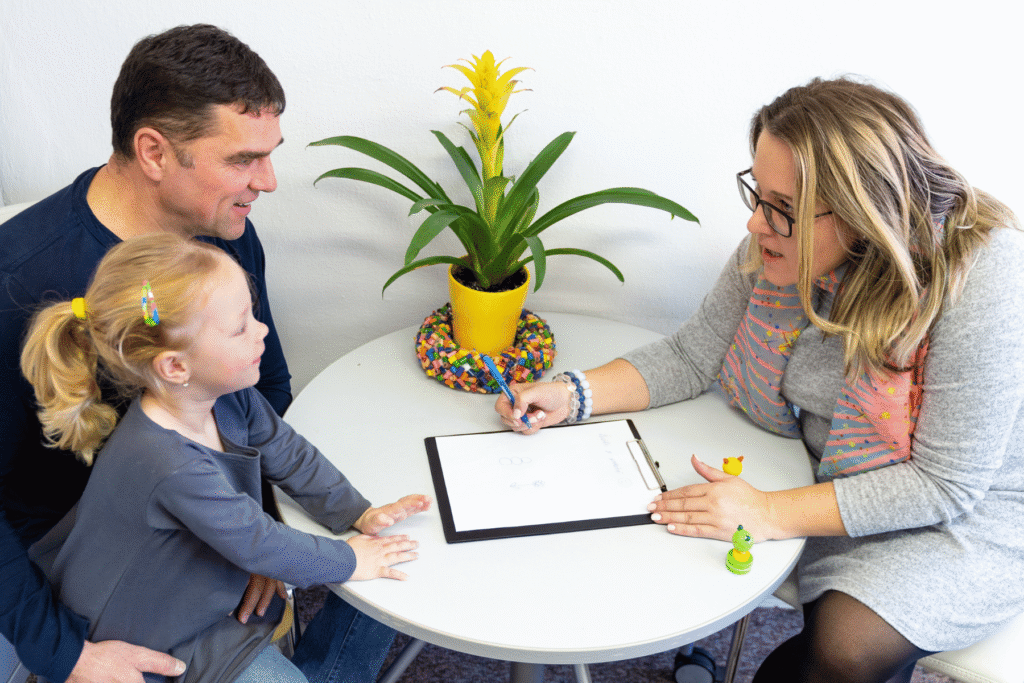
Attention Deficit Hyperactivity Disorder (ADHD) is a neuro-developmental condition that affects approximately 1 in 20 Australians. Despite its prevalence, ADHD is often misunderstood, with many individuals facing stigma and misdiagnosis. Today, growing awareness and advocacy are helping Australians better understand ADHD as a form of neurodivergence, not a deficit. At DCC Industry Group, we […]
Bundaberg, we’re here — and we’re proud to officially open our doors to the community.
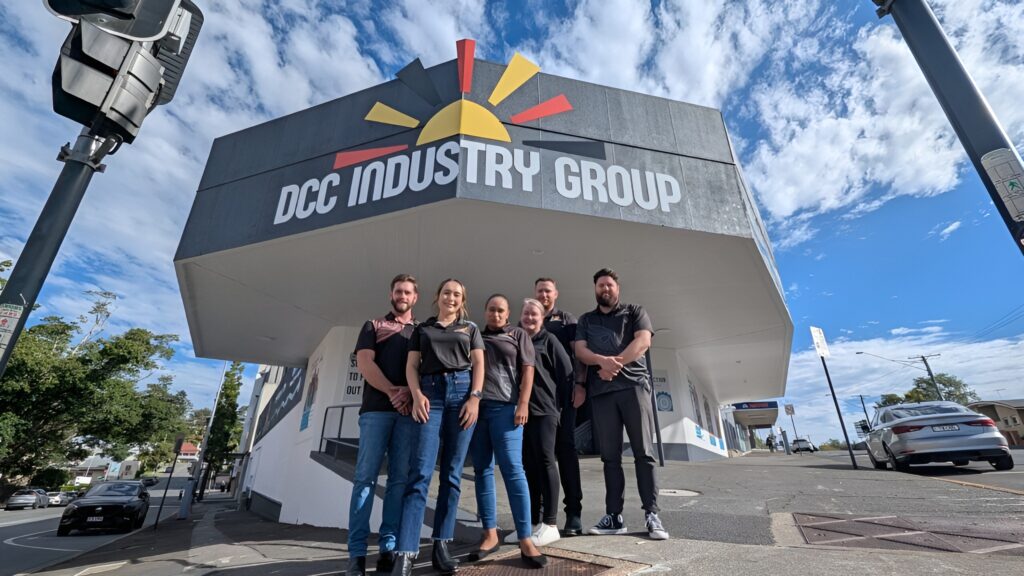
Bundaberg, We’re Here – DCC Officially Opens Its Doors What started as a simple office opening quickly turned into something much bigger. A gathering of community, connection and a whole lot of good yarns. Last week we officially opened our Bundaberg office, beginning the day with a welcome from Traditional Owners and bringing […]
DCC Industry Group and Semloh Support Services join to optimise NDIS Support services
Semloh Support Services Join DCC Industry Group to Optimise NDIS Support Services Today DCC Industry Group is celebrating an important milestone and we’re so excited to share this news with you! Semloh Support Servies, an NDIS services organisation built on empowering people with a disability to live a more inclusive and independent life, is joining DCC Industry Group. This move will strengthen support in the Toowoomba region for people with Disabilities. Semloh has built foundations of […]
What Training Is Available for Foster and Kinship Carers in Queensland?

Foster and kinship carers play a vital role in supporting children and young people who cannot live safely with their families. To help carers feel confident, prepared, and supported, the Queensland Government offers a range of training opportunities—from foundational modules to ongoing learning tailored to individual needs. Why Training Matters Training helps carers to: Understand […]
Why Queensland Needs More Foster and Kinship Carers
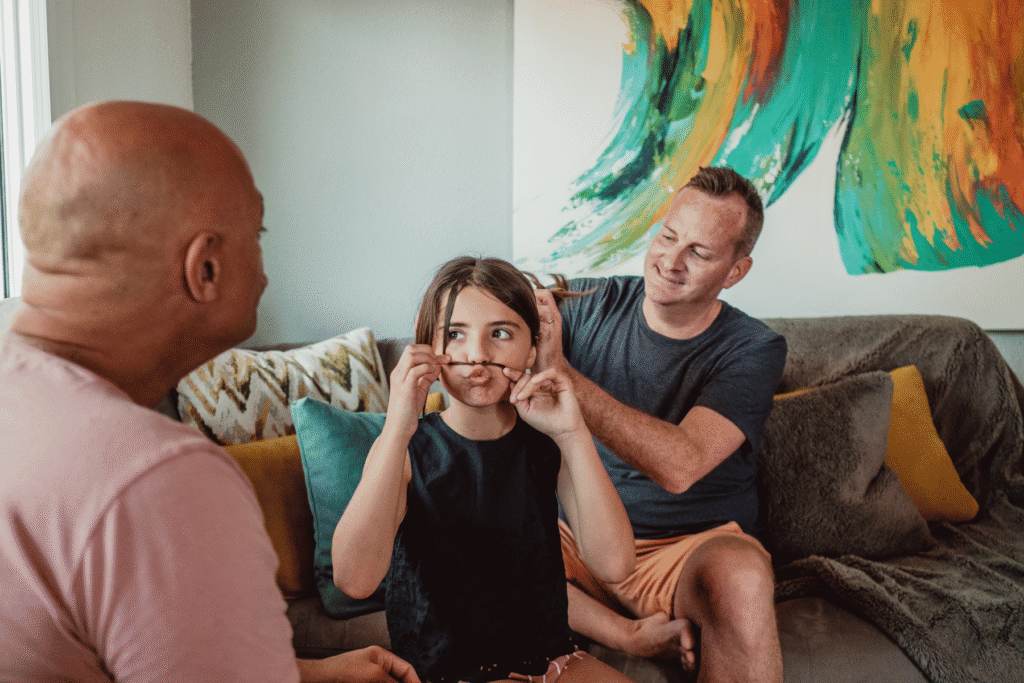
Queensland’s child protection system relies on foster and kinship carers to provide safe, stable, and nurturing homes for children who cannot live with their families. However, in recent years, the number of available carers has not kept pace with the growing demand—especially for children with complex needs, sibling groups, and Aboriginal and Torres Strait Islander […]