
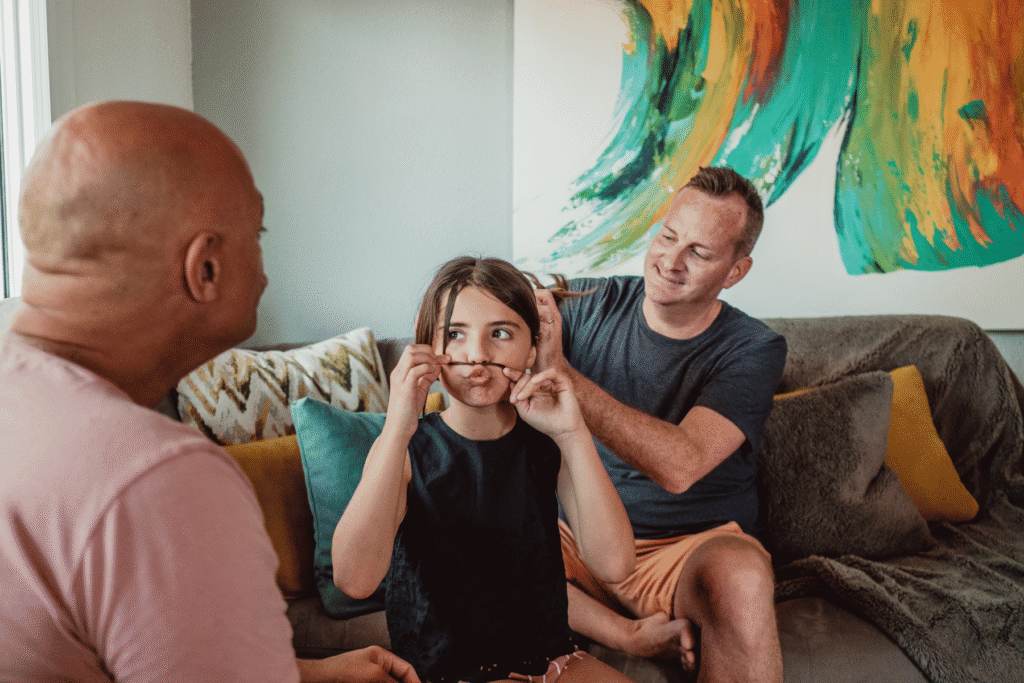
Queensland’s child protection system relies on foster and kinship carers to provide safe, stable, and nurturing homes for children who cannot live with their families. However, in recent years, the number of available carers has not kept pace with the growing demand—especially for children with complex needs, sibling groups, and Aboriginal and Torres Strait Islander children.
The Growing Need for Foster Carers
As of 30 June 2024, there were 44,900 children in out-of-home care across Australia, with a significant proportion in Queensland. These children require placements that support their emotional, cultural, and developmental needs.
However, the pool of carers is shrinking due to:
- Carer burnout and stress
- Increased complexity of children’s needs
- Financial pressures and cost-of-living challenges
- Limited respite and support for carers
This shortage means children may be placed in residential care or moved between multiple homes—disrupting their stability and wellbeing.
Kinship Care and Cultural Connection
Kinship care—where children are placed with relatives or close family friends—is especially important for Aboriginal and Torres Strait Islander children. Maintaining cultural identity and community connection is a legal and ethical priority. However, kinship carers also face challenges, including lack of training, financial strain, and limited access to support services.
Learn more about kinship care and how DCC supports culturally responsive care models.
Government Response and Reform
The Queensland Government is working to address the carer shortage through:
- Recruitment campaigns targeting diverse communities
- Flexible funding models to better support carer households
- Professional foster care pilots to improve retention and outcomes
- Residential Care Roadmap reforms to reduce reliance on institutional care
These initiatives aim to build a more sustainable and responsive care system.
Understanding these reforms helps future carers feel confident and supported—read more about how DCC contributes to the sector here.
How You Can Help
Queensland needs carers from all walks of life—single people, couples, families, retirees, and culturally diverse communities.
You don’t need to be a parent or own a home.
What matters most is your ability to provide a safe, supportive environment and work as part of a care team.
If you’re considering becoming a foster or kinship carer:
- Explore fostering options: Foster Care Programs
- Learn about kinship carers: Kinship Care Support
- View carer support resources: Carer Support Services
- Contact our team for guidance: Get in Touch
Every new carer helps keep children closer to home, community, and culture—and makes a lifelong impact.
Footnotes
Child Protection Australia 2023–24 – AIHW
National Framework Indicators – Carer Retention – AIHW
Queensland Family and Child Commission – Our Role in the Sector
Residential Care Review – QFCC