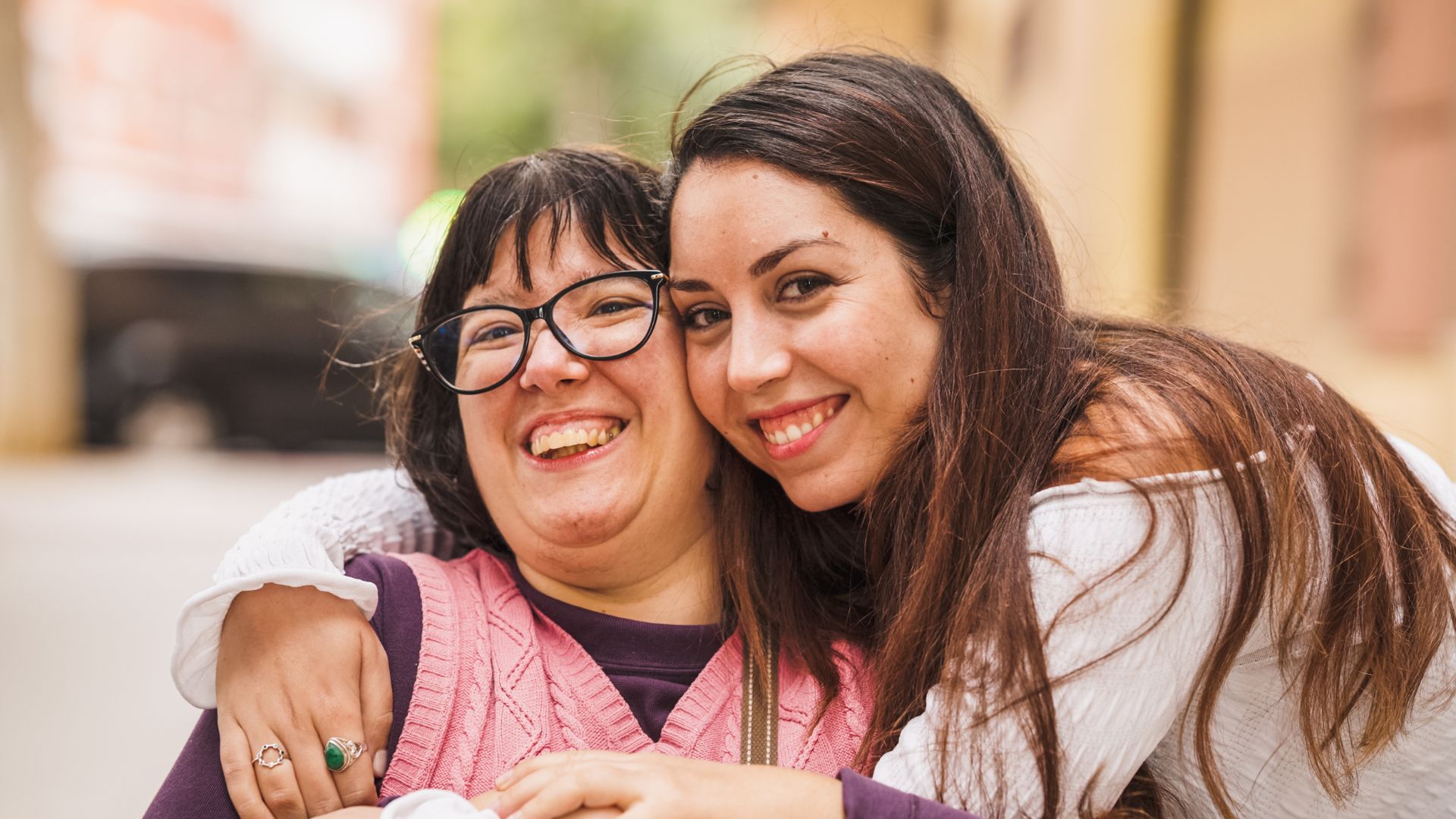

Physical disability refers to a condition that affects a person’s mobility, physical capacity, or dexterity. It may be present from birth, result from injury or illness, or develop over time. In Australia, people with physical disabilities are supported through inclusive policies, health services, and the National Disability Insurance Scheme (NDIS).
What Is a Physical Disability?
A physical disability can impact a person’s ability to:
- Move independently, including walking, standing, or using limbs
- Perform daily tasks such as dressing, cooking, and bathing
- Participate fully in education, employment, and community life
Examples of physical disabilities include cerebral palsy, muscular dystrophy, spinal cord injuries, amputations, and stroke-related impairments. Every person’s experience is different, and support needs vary depending on the nature and severity of the condition. Through personalised disability support services, individuals can build independence, improve wellbeing, and participate more fully in everyday life.
Australia’s Disability Strategy
The Australia’s Disability Strategy 2021–2031 provides a national framework for creating a more inclusive society. The Strategy aims to:
- Improve access to mainstream services such as healthcare, education, housing, and transport
- Promote social and economic participation for people with disability
- Support equal rights, opportunities, and community inclusion
- Reduce barriers that prevent people from participating fully in society
Supported by all levels of government, the Strategy works alongside the NDIS to improve outcomes for people with disability and ensure services are coordinated across Australia.
NDIS Supports for Physical Disability
The National Disability Insurance Scheme (NDIS) funds a broad range of supports designed to help people with physical disabilities achieve their goals and maintain independence. These supports may include:
- Mobility aids such as wheelchairs, walkers, and assistive technology
- Home modifications to improve accessibility and safety
- Personal care assistance and daily living support
- Occupational therapy and physiotherapy services
- Disability-related health supports including continence management, nutrition support, and wound care
To access NDIS funding, a person must generally have a permanent and significant disability that impacts their ability to participate in everyday activities. Support plans are tailored to individual goals and circumstances.
The Role of Allied Health and Support Services
Allied health professionals play an important role in helping people with physical disabilities maintain mobility, improve functional capacity, and enhance quality of life. Key services include:
- Occupational therapy — Supports people to develop daily living skills, use assistive technology, and improve independence at home, work, and in the community.
- Physiotherapy — Helps improve strength, flexibility, balance, and movement while reducing pain and preventing further complications.
- Disability support workers — Provide practical assistance with daily activities, community participation, transport, and achieving personal goals.
Through a combination of allied health services and community support, people with physical disabilities can develop greater independence and confidence while remaining connected to their communities.
Health and Wellbeing
Physical activity is important for both children and adults living with physical disabilities. Regular movement and participation in accessible activities can improve:
- Strength, coordination, and flexibility
- Cardiovascular health and physical fitness
- Mental health and emotional wellbeing
- Social inclusion, confidence, and self-esteem
Many sports and recreational activities are adapted to support inclusion, including wheelchair basketball, swimming, adaptive cycling, and dance programs. Families and support providers can work together to identify activities that align with a person’s interests and abilities.
Creating Inclusive Communities
Creating inclusive communities involves removing barriers and ensuring people with physical disabilities can participate fully in all aspects of life. Inclusion is about more than accessibility—it is about belonging, dignity, and equal opportunity.
Communities can support inclusion by:
- Ensuring buildings, public spaces, and transport systems are accessible
- Providing inclusive education and employment opportunities
- Supporting accessible recreation and community programs
- Promoting positive attitudes and reducing stigma surrounding disability
When communities embrace inclusion, people with physical disabilities are better able to contribute their skills, pursue their goals, and enjoy meaningful participation in society.
Physical Disability Support at DCC Industry Group
DCC Industry Group provides personalised disability community services across southeast Queensland, supporting people with physical disabilities to achieve greater independence and quality of life. Our services include occupational therapy, disability support services, community participation programs, and tailored support designed around individual goals.
If you or a loved one are looking for physical disability support services, contact our team to learn how we can help.
Footnotes
1. Australia’s Disability Strategy 2021–2031 — disabilitygateway.gov.au
2. NDIS Physical Disability Supports and Eligibility — ndis.gov.au
3. Physical Activity and Disability Resources — raisingchildren.net.au